
Outdoor & Building Signs
Your outdoor sign is usually the first thing a customer sees — and in New York City, where storefronts compete for attention on every block, it’s the single most important piece of real estate your brand occupies. A great exterior sign doesn’t just display your name; it communicates professionalism, visibility, and permanence. We’ve been helping NYC businesses make that first impression count since 1995.
This category covers every type of outdoor and building-mounted sign we produce and install from our Brooklyn shop: channel letters (front-lit, back-lit, and halo-lit), illuminated cabinet signs, blade signs (projecting signs), A-frame sidewalk signs, carved wood signs, metal signs, wall-mounted pan signs, lightbox signs, neon and LED signs, and building identification signage. Each guide addresses NYC-specific considerations we deal with daily — DOB permit requirements, zoning district sign allowances, LPC restrictions in historic neighborhoods, electrical permits for illuminated signs, and the structural engineering review required for larger installations.
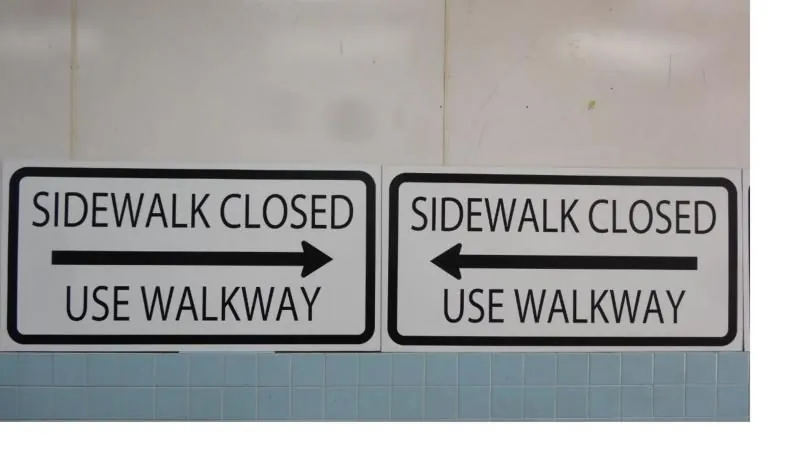
Reflective sheeting helps street signs remain visible when vehicle headlights illuminate them at night. For contractors, construction companies, municipalities, and sign buyers, choosing the right reflective material affects nighttime visibility, durability, and project cost. Three terms commonly appear when comparing reflective street signs: Engineer Grade, Prismatic, and Diamond Grade. These terms do not describe three...
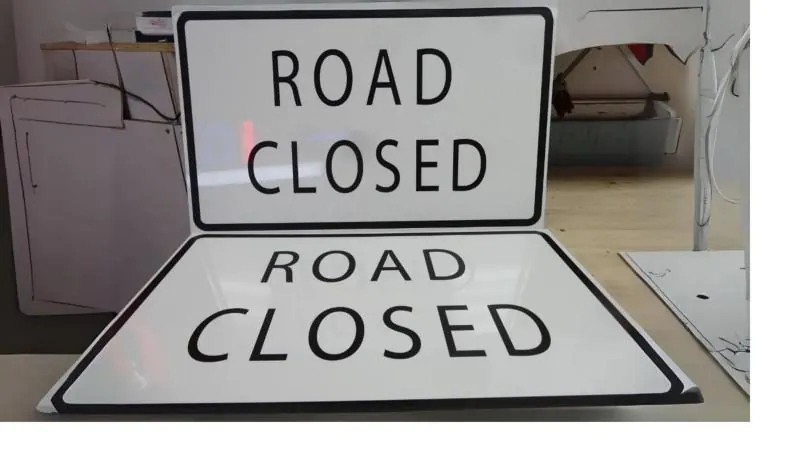
Road Closed and Road Work Ahead signs both warn drivers about road conditions, but they serve different purposes. One marks a road closure, while the other warns motorists that construction or maintenance work is ahead. For contractors, construction companies, and project managers in New York City, choosing the correct sign matters. The sign must match...

Sidewalk closures are part of many construction projects across New York City. Building renovations, sidewalk shed installations, utility work, and exterior repairs can all interrupt pedestrian access. When that happens, the signs must tell people where to go before they reach the blocked area. At Signs NYC, we understand that construction signage needs to do...
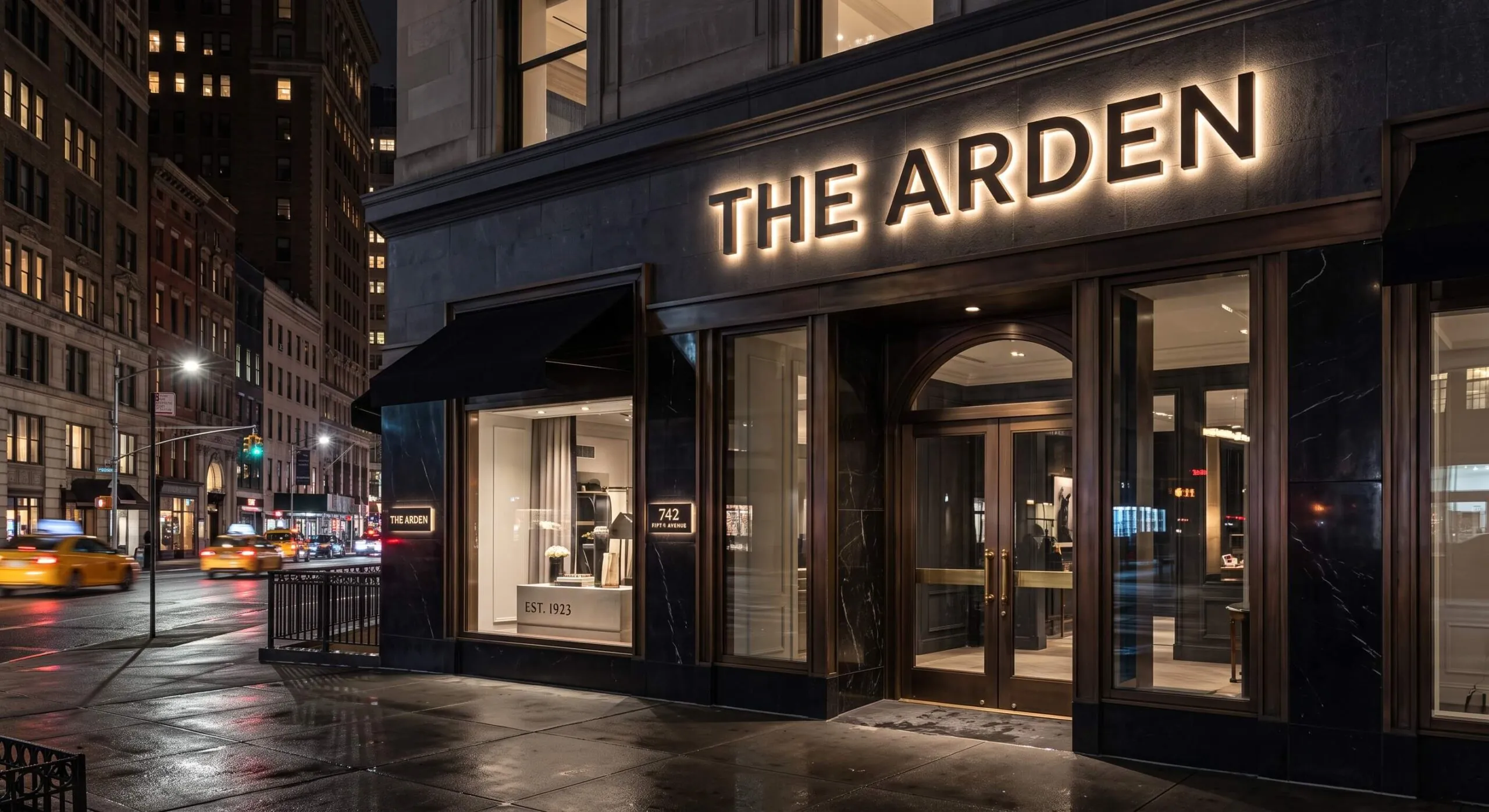
A sign that reads “PHAR ACY” at night says something about the business under it, and not what the owner intended. The good news is that channel letters are built from separate, replaceable parts, so most problems can be fixed without replacing the sign. This guide covers what goes wrong, what each symptom usually means,...
- By Abie B.

Letters that are too small disappear into the block. Letters that are too large crowd the sign band, look cheap, and can exceed what zoning allows. Getting the size right is mostly a matter of answering four questions in order: how far away are your customers, how wide is your storefront, what does the city...
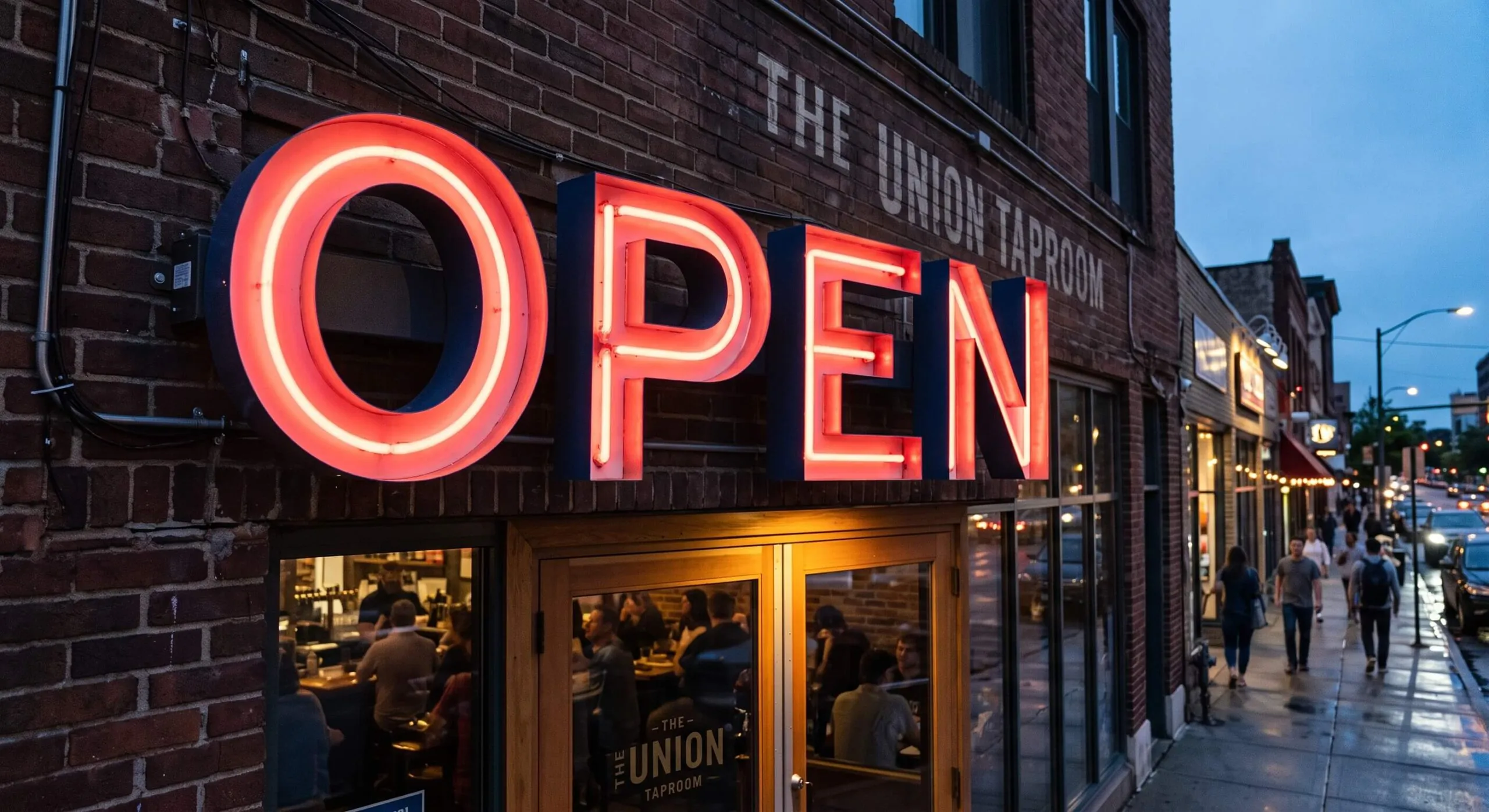
Home/Sign Guides/Channel Letters/Front-Lit vs Halo-Lit Channel Letters · Comparison Front-Lit vs Halo-Lit Channel Letters: Look, Cost and Where Each Works Front-lit vs halo-lit channel letters, the two most common lighting styles, compared on build, night look, reading distance, wall type, cost and landmark rules. Abie B.Updated November 2026 · 7 min read In this guide...
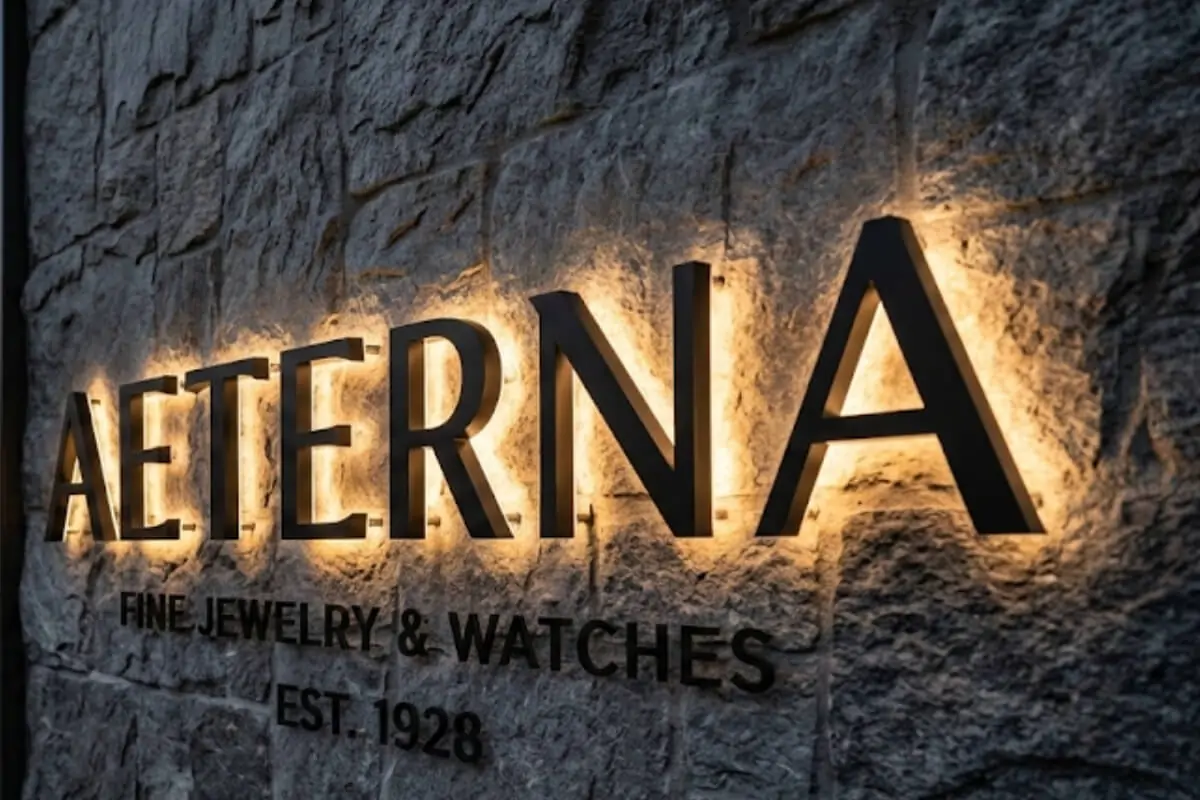
Two storefronts can order the same letters, in the same font and color, and end up with signs that look noticeably different. The reason is usually the mounting method. Before your channel letters go into production, someone has to decide how they attach to the building and where the wiring goes. In New York City...

Choosing a storefront sign involves more than selecting a design or matching your brand colors. The material affects how your sign looks, how well it holds up outdoors, how much maintenance it needs, and how it fits your building. For businesses in New York City, the right choice also depends on the storefront facade, exposure...

Installing a storefront sign in New York City involves more than choosing a design, material, and size. Depending on the property and sign type, businesses may need to meet zoning requirements, obtain permits from the NYC Department of Buildings (DOB), arrange electrical work, and hire a qualified sign installer. These requirements can affect channel letters,...
Categories
Browse our social channels for ideas, recent installs, and brand visibility done right.