Neon Tubing Color Chart
The full range of neon colors, how each one is made, and how to choose the right shade for your sign — plus the difference between traditional glass neon and modern LED neon.
On this page
Resources
The Color Chart
A note on color accuracy: the colors shown here are approximate and will vary from screen to screen. Always confirm your final color against a physical pumped sample before production — that’s the only reliable way to match an exact shade.
EGL Accuwall Colors

Coated Emerald Green/Ar – Vibrant Concentrated Rich Green

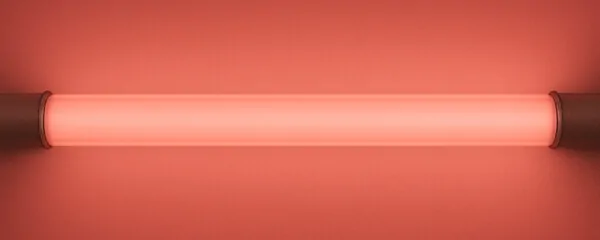
Coated Ruby Red/Ar – True Deep Intense Red

E-50 Noviol Gold – Bright Yellow

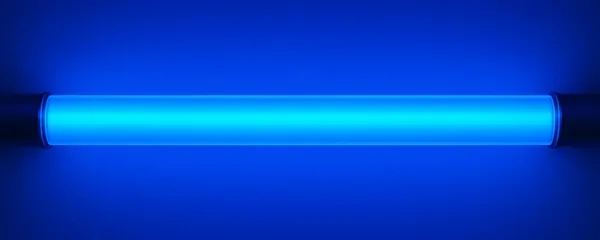
Coated Bromo Blue/Ar – Intense Concentrated Blue

P-73 Noviol Gold/Ar – True Gold
EGL Colors

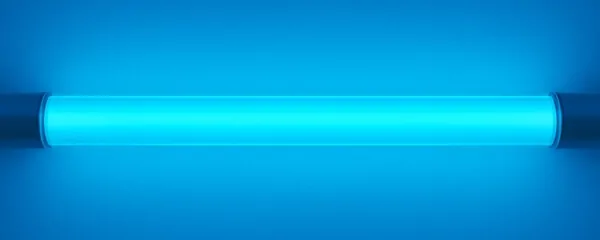
Horizon Blue – Rare Earth

6500 Snowhite

EGL 3500

E-40 Blue

EGL 4500

VP Green II – Double Coat

HP Neo Blue – Double Coat

New Clear Gold – Double Coat

E-10 Green

Seacrest – Rare Earth

Clear Brite Yellow II – Double Coat

Purple II

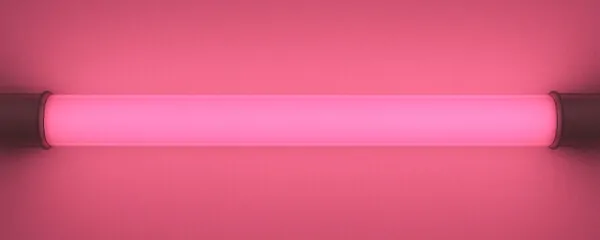
Coral Pink

Flamingo

E3000 Warm white
How Neon Gets Its Color
- The gas.Pure neon gas produces the iconic red-orange glow — this is where "neon" gets its name. Argon, usually combined with a trace of mercury vapor, produces blue.
- Phosphor coatings. A fluorescent coating on the inside of the glass expands the palette dramatically. These coated tubes appear white or tinted when switched off and glow in their color when lit, giving the full range of greens, yellows, pinks, purples, and whites.
- Colored glass. Colored tubing adds another layer, producing the brightest, most saturated shades.
Different combinations of gas, glass, and coating create nearly the entire spectrum — which is why an experienced neon fabricator can match a huge range of colors.
Glass Neon vs. LED Neon
“Neon” today refers to two different products that share a look but work very differently. Understanding the distinction helps you choose the right one.
Traditional Glass Neon
- Hand-bent glass tubes filled with gas
- Color comes from gas, glass, and phosphor coating
- Deep, saturated glow with natural character
- Each tube is a single fixed color
- Long-lasting, but glass is fragile and repairs are specialized
- Runs on high voltage
LED Neon
- Flexible acrylic tubing with LED strips inside
- Color from LEDs, including RGB and color-changing options
- Uniform, consistent light output
- Shatterproof, lightweight, and easy to install
- Energy-efficient and low-maintenance
- Runs on low voltage
One Color Per Tube
With traditional glass neon, an important design point catches many people off guard: each glass tube emits a single, fixed color. The gas and coating inside determine that color, and it can’t be changed or blended within the same tube.
Multicolor neon signs are built by fabricating each color as a separate section of tubing and assembling them together. That’s entirely doable — it just needs to be planned into the design from the start. (LED neon is more flexible here, since RGB tubing can shift colors on demand.)
Choosing the Right Color
Beyond the look you love, a few factors help narrow down the right neon color for your sign:
Brand identity
Pick a color that reflects your business. A vibrant red might suit a restaurant or bar, while a soft blue fits a spa or wellness studio.
Ambiance
Neon sets a mood. Warm reds and golds feel energetic and inviting; cool blues and purples feel calm and modern.
Visibility
Consider where the sign will live. Bright colors like red and yellow stand out best in outdoor or high-traffic settings.
Once you’ve narrowed your color, our Effective Sign Tips guide can help you get the rest of the design — message, layout, and placement — working just as hard.
How We Help
Ready to light up your brand?
Tell us the color and look you’re after. We’ll help you choose between glass and LED neon, match your shade, and build it at our NYC facility.