
Two storefronts can order the same letters, in the same font and color, and end up with signs that look noticeably different. The reason is usually the mounting method. Before your channel letters go into production, someone has to decide how they attach to the building and where the wiring goes. In New York City that decision is often made for you by the wall, the lease, or the landlord.
This guide explains the two main methods, raceway mount and flush mount, plus the backer panel option that sits between them.
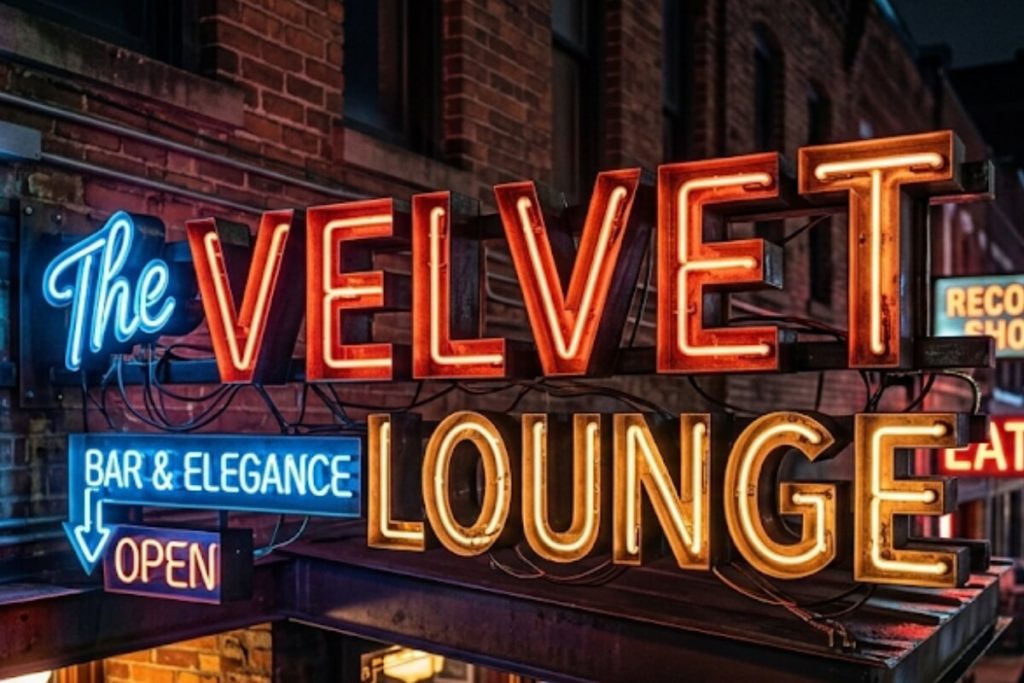
What Is a Raceway Mount?
A raceway is a long, narrow aluminum box that is fastened to the wall. The letters are attached to the front of the raceway, and the wiring and power supplies sit inside it. The raceway is normally painted to match the façade so it blends in behind the letters.
Because every letter connects to the raceway and not to the wall, the building only needs a handful of anchor points and a single hole for the electrical feed.
Raceway mounting works well when:
- The wall is brick, stone, or tile and you want as few holes in it as possible
- There is no access to the back of the wall for wiring
- The landlord wants the wall easy to restore when a tenant moves out
- You may relocate the sign later, since the whole unit comes down in one piece
The trade-off: the raceway is visible. Even color matched, it reads as a bar behind the letters, and the sign sits a few inches further off the wall.
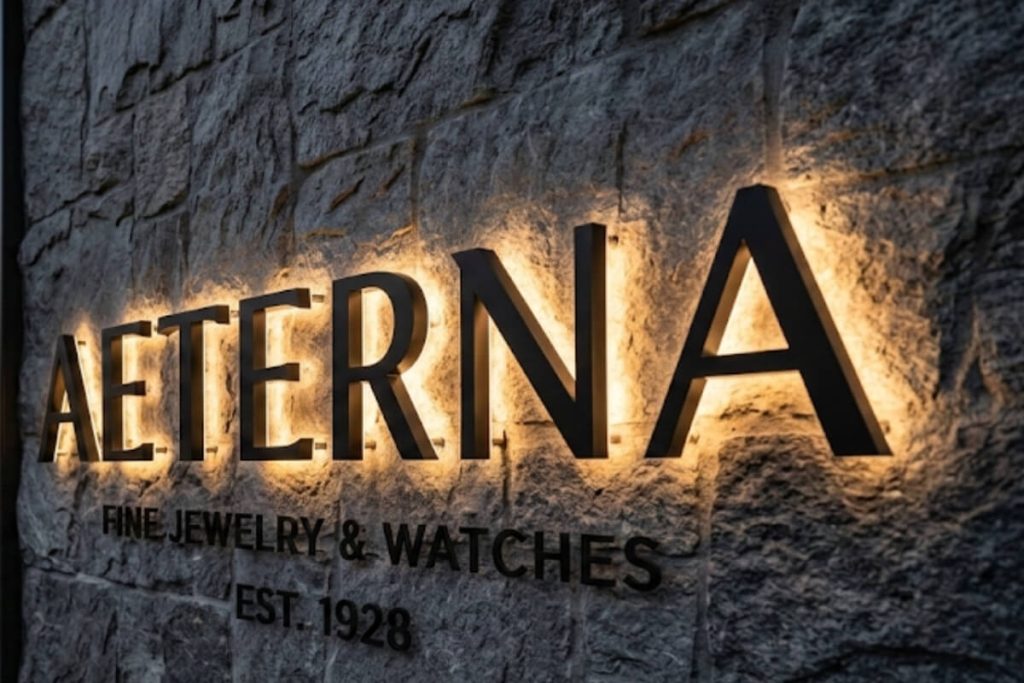
What Is a Flush (Direct) Mount?
With a flush mount, also called direct mount, each letter is fastened individually to the wall. A drilling pattern is taped to the façade, each letter gets its own mounting studs, and each letter’s wiring passes through the wall to power supplies located behind it, usually above a ceiling or inside a parapet.
Flush mounting works well when:
- You want the cleanest look, with nothing behind the letters but the building
- There is access behind the wall to run wiring and place power supplies
- The landlord’s sign criteria call for individually mounted letters
- The letters are halo-lit, which need the wall directly behind them to catch the glow
The trade-off: more holes. Every letter needs fastener holes and a wire pass-through, each of which has to be sealed against water. Service also means getting behind the wall to reach the power supplies.
The Middle Option: Backer Panels and Wireways
A backer panel is a flat aluminum panel, often cut to follow the outline of the lettering or logo, that sits between the letters and the wall. It hides the wiring like a raceway does but looks like a designed background and not a box. You will also hear the terms wireway or cabinet mount for similar approaches.
A backer is a common answer when the wall surface is uneven, when the façade color makes the letters hard to read, or when halo-lit letters need a clean, matte surface to light up.
Raceway vs. Flush Mount at a Glance
| Raceway Mount | Flush (Direct) Mount | |
|---|---|---|
| Appearance | Letters on a visible, color-matched bar | Letters directly on the wall |
| Holes in the façade | Few | Many: studs and a wire hole per letter |
| Where the power supplies go | Inside the raceway | Behind the wall |
| Access needed behind the wall | No | Yes |
| On-site installation time | Shorter | Longer |
| Removal and wall repair | Simpler | More patching |
| Works with halo-lit letters | Not well; use a backer panel | Yes |
What Your Landlord and Your Lease Say
In a multi-tenant building or shopping center, check the lease before you fall in love with a design. Many landlords publish sign criteria that specify the mounting method, the letter height range, the allowed colors, and where on the sign band the letters may go.
It goes both ways. Some landlords require raceways because they do not want a new set of holes every time a tenant changes. Others ban raceways because they want every storefront to show individually mounted letters. Either way, you will usually need the landlord’s written approval of the sign drawing, and the NYC permit application needs the owner’s consent as well.
NYC Considerations
A few things specific to working in the five boroughs:
- Older masonry.
Much of the city’s storefront stock is brick or stone. Fewer penetrations means fewer places for water to get in, which is the main argument for a raceway or backer on these walls. - Projection.
In most commercial zoning districts a sign may project no more than 12 inches across the street line. A raceway plus a 5 inch deep letter adds up, so depth should be checked on the drawing. - Landmark buildings and historic districts.
The Landmarks Preservation Commission reviews how a sign is attached and requires lighting conduit to be concealed. Mounting details matter as much as the letters themselves. - Permits.
Whichever method you choose, an illuminated sign needs Department of Buildings permits. See our guide to channel letter permits in NYC.
Which One Costs More?
There is no universal answer. A raceway adds fabrication cost, since it is one more component to build and paint, but it shortens the time the crew spends on your wall. A flush mount removes that component and adds drilling, sealing, and wiring time on site. Wall material, height, and access behind the wall usually decide which comes out cheaper for a given storefront. For the bigger picture, see what drives channel letter cost.
How to Decide
- Read your lease and ask the landlord for the building’s sign criteria.
- Find out what the wall is made of and whether anyone can get behind it.
- Decide on the lighting style. If you want a halo glow, plan on a flush mount or a backer panel. Our comparison of front-lit and halo-lit channel letters
covers that choice. - Have the sign company survey the site before the design is finalized.
Frequently Asked Questions
Can a raceway be painted to match my building?
Yes. Raceways are normally finished to match the wall color, so from the street they are far less noticeable than bare metal.
Can I switch from a raceway to a flush mount later?
The letters can often be reused, but the wiring has to be redone and the wall needs new holes and access behind it. It is a re-installation, not an adjustment.
Does a flush mount damage the wall?
It puts more holes in it. Properly sealed, they are not a problem during the life of the sign, but they do need patching when the sign comes down.
Which looks more premium?
Most people find individually mounted letters cleaner. A well-proportioned backer panel can look just as intentional.
Get the Mounting Method Checked Before You Order
Signs NYC surveys the wall, reviews your landlord’s criteria, and recommends the mounting method before fabrication starts. To talk through your storefront, request a quote, call 718-453-8300, or see the full range of options on our channel letters page.
